
Why High-Intensity Workouts Were Burning Me Out
How I found Balance in Perimenopause
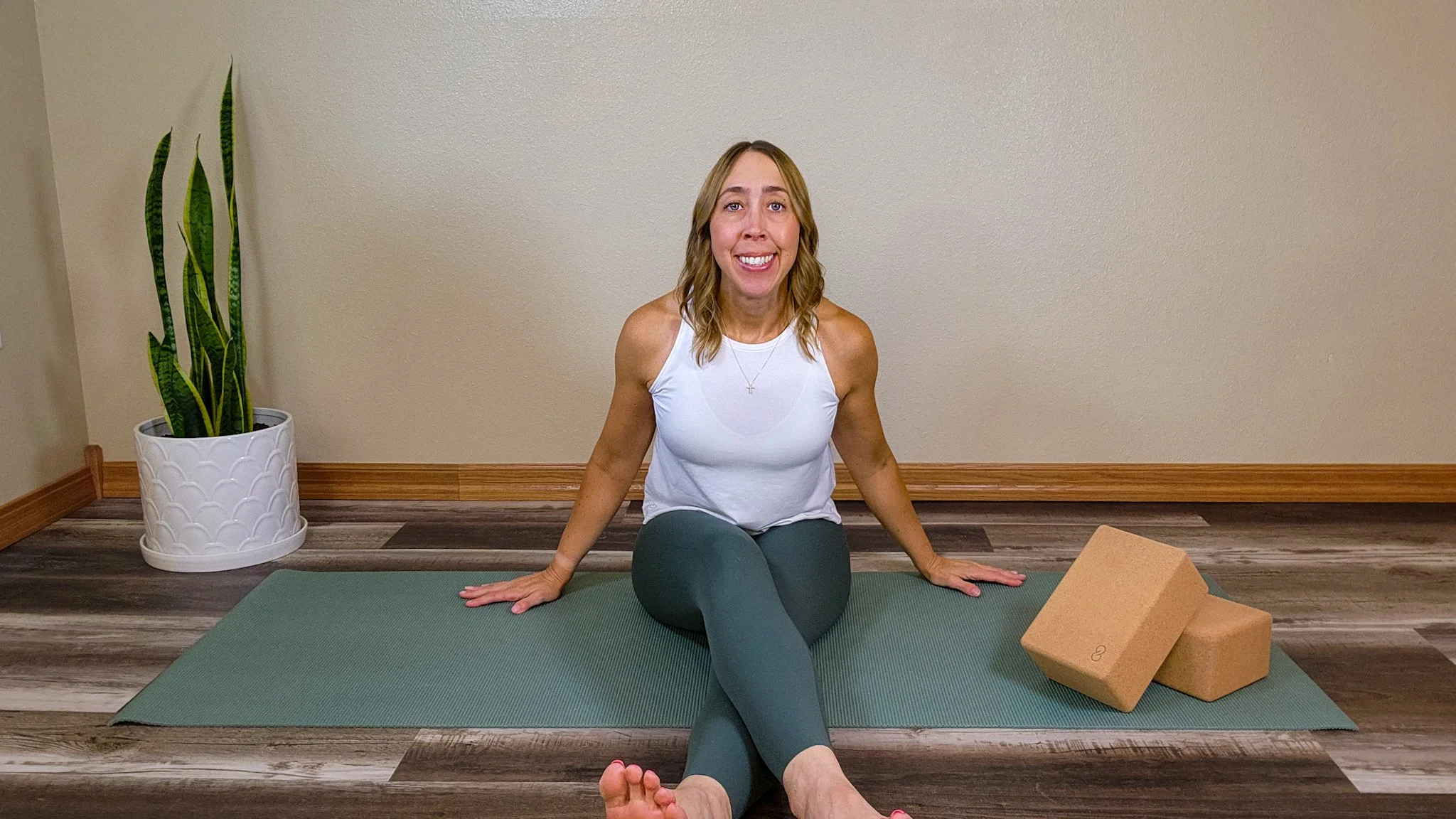
About a year ago, I started noticing subtle symptoms that I couldn't quite explain. Over the past few months, they gradually got worse and amplified—fatigue, brain fog, headaches, joint pain, night sweats, anxiety, a lower mood, and a decreased libido. Whenever I tried to do intense workouts, they no longer left me feeling energized; instead, they left me completely exhausted.
Pushing harder wasn't working anymore—it was actively burning me out. I realized my body wasn't failing me; it was asking for a completely different, much gentler approach.
The Problem With “Pushing Through”
During perimenopause, shifting hormone levels—particularly fluctuations in estrogen and progesterone—change how our bodies handle physical and mental stress. When we layer high-intensity workouts on top of mid-life hormonal changes, we often end up spiking cortisol levels.
Instead of building strength and vitality, we end up in a cycle of depletion, brain fog, and chronic fatigue.
I needed a way to stay strong and mobile without sending my nervous system into overdrive. I needed a way to move that honored where my body was today, not where it was ten years ago.
Finding “Selah” in Movement
That realization is what led to the birth of The Selah Movement.
The word Selah carries a beautiful meaning: to pause, to reflect, and to measure. In a world that constantly tells women to hustle, grind, and fight against their bodies, Selah is an invitation to do the exact opposite.
Today, my own routine looks very different. Instead of high-impact, exhausting routines, I focus on a balanced mix of walking, mat Pilates, and targeted dumbbell strength training. This mind-body approach prioritizes:
Nervous System Calm: Soothing stress responses and reducing anxiety.
Intentionally Gentle Strength: Supporting joint health, posture, and muscle maintenance without overwhelming your system.
Listening Over Forcing: Honoring your daily energy levels instead of pushing through fatigue.
When I swapped burnout for balance, movement became something that restored me instead of draining me.
How to Start Listening to Your Body Today
If you are noticing that your usual routines aren't serving you anymore, start with these three simple shifts:
Trade Intensity for Intention: Give yourself permission to swap high-impact cardio for mindful strength work, walking, or mat Pilates.
Prioritize the Pause: Take 2–3 minutes before and after movement to breathe, ground yourself, and check in with how your body actually feels.
Stop Exercising as Punishment: Shift your mindset from "burning off calories" to nourishing your nervous system and building functional strength for daily life.
Ready to Find Your Balance?
Navigating perimenopause doesn't mean giving up on movement, but it does mean learning a new way to listen to your body. You don't have to figure out this transition alone.
Through my 1-on-1 Health & Wellness Coaching, we work together to build a gentle, sustainable movement and lifestyle plan tailored to your unique hormonal health, energy levels, and personal goals.
