
What Selah Means: Faith, Rest, and the Theology of Body Stewardship
In our culture, health is almost exclusively framed through the lens of effort: push harder, track more, grind through fatigue, and fix what is broken. We treat our bodies like machines to be optimized or wild beasts to be tamed.
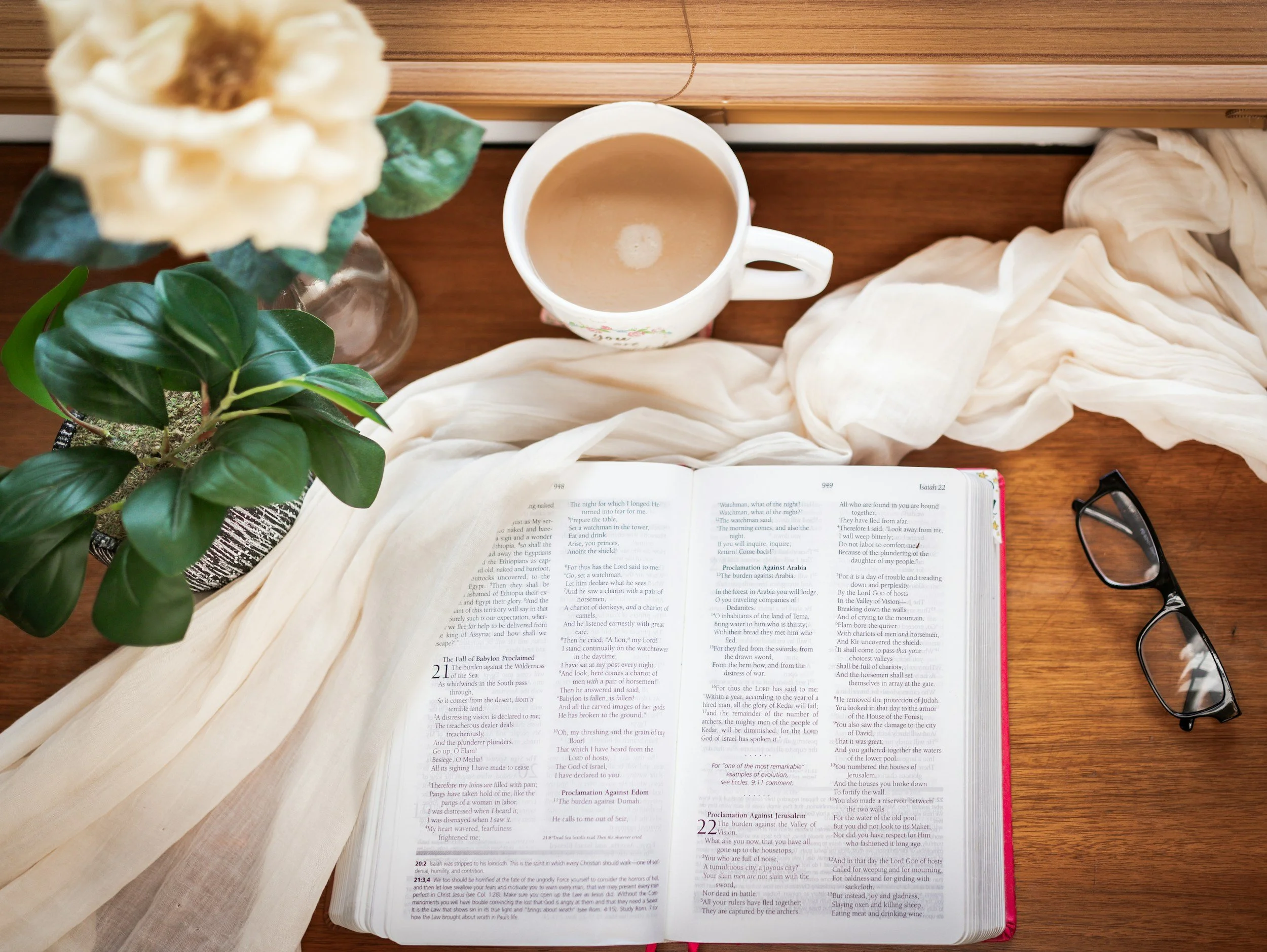
When I was naming this platform, I wanted an anchor that rejected the frantic noise of modern wellness culture. I kept returning to a single, ancient Hebrew word found over 70 times throughout the Psalms: Selah (סֶלָה).
While scholars propose various technical definitions, the overarching poetic context points to a powerful instruction: to pause, to take a breath, and to carefully consider what was just spoken.
It is a musical cue for the soul—an intentional interlude where the instrument stops playing, the singer rests, and the listener lets the truth sink deep into the heart.
In midlife—a season often marked by shifting hormone levels, career transitions, aging parents, and growing families—Selah is not merely a nice spiritual concept. It is a vital health strategy and a spiritual necessity.
#1 Sacred Rest vs. Passivity
We live in a culture that mistakes exhaustion for productivity and frantic busyness for purpose. But scripturally and physiologically, rest is not a reward you earn after doing everything else—it is the prerequisite for long-term health and fruitfulness.
In the original Hebrew, Selah demands an intentional interruption. In our daily lives, this looks like choosing sacred rest over passive burnout.
Passive Rest looks like scrolling on your phone, numbing out to television, or collapsing at the end of the day because your system has simply run out of fuel.
Sacred Rest (Selah) looks like stopping on purpose. It is stepping outside for ten minutes of daylight, sitting quietly in morning prayer, or turning off the screen to allow your nervous system to regulate.
From a nervous system perspective, chronic overreach keeps us locked in a sympathetic ("fight or flight") state, raising baseline cortisol levels, disturbing sleep, and compounding hormonal imbalances. Creating explicit Selah moments signals to your body that you are safe, allowing your parasympathetic nervous system to step in, recover, and restore.
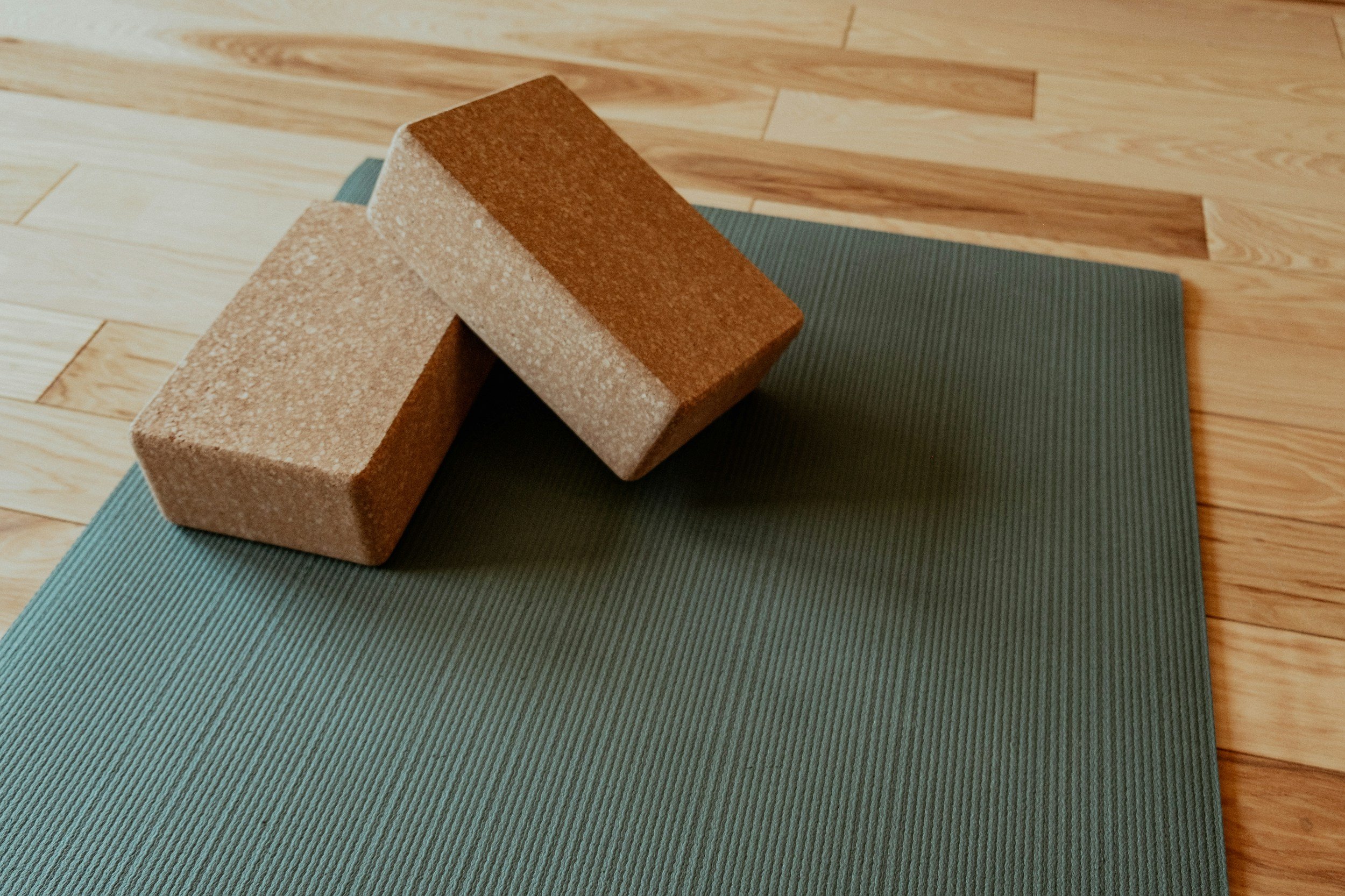
The Mat Interlude
Before your workout begins, take a quiet moment on the mat to ground yourself. Invite God’s presence into your space, align your breath, and offer your movement back to Him in gratitude.
#2 Reframing Body Stewardship
For many midlife women, physical health becomes a source of frustration. As our bodies change, it is easy to view our health through a lens of criticism, anxiety, or control.
Scripture offers a radically different perspective: stewardship.
“What? know ye not that your body is the temple of the Holy Ghost which is in you, which ye have of God, and ye are not your own? For ye are bought with a price: therefore glorify God in your body, and in your spirit, which are God’s.”
Body stewardship is not about striving for physical perfection or chasing an unrealistic standard of youth. Stewardship is the quiet, faithful care of a gift you have been entrusted with.
Worldly Fitness says: "Change your body so you can finally accept yourself.”
Body Stewardship says: "Care for your body because it is already loved, valued, and tasked with important Kingdom work."
When you view nutrition, strength training, and sleep through the lens of stewardship, daily habits cease to be a punishment. Eating high-quality protein fuels your energy for your family; lifting weights protects your bones so you can remain active for decades; going to sleep early honours your physical limits.
#3 Practice Your Daily Selah
Living out Selah doesn't require retiring to a monastery or adding an hour-long ritual to an already crowded morning. It begins with simple, micro-pauses built into the fabric of your existing routine:
The Morning Stillness: Before checking emails or reading notifications, take three deep breaths and offer your day, energy, and physical body back to God in prayer
The Mat Interlude: Before beginning a Pilates session or strength workout, take a quiet moment on the mat to ground yourself. Invite God’s presence into your space, align your breath, and offer your movement back to Him in gratitude—shifting your exercise from a routine obligation into an intentional act of body stewardship.
The Mealtime Grace: Pause before eating. Express gratitude, un-cinch your stomach muscles, and allow your body to transition out of a rushed state before taking your first bite.
The Boundary Stop: When you feel the urge to say "yes" to another obligation out of guilt or habit, take a Selah moment. Give yourself permission to pause before responding.
🌿 Ready to Align Your Health with Sacred Rest & Vitality?
True health is never built on burnout, restriction, or relentless striving. It is cultivated through clear, evidence-based physical habits anchored in peace and purpose.
If you are ready to stop fighting your body and start building a sustainable roadmap for strength, nutrition, and lasting energy in midlife, I am here to help.
